
Arsenal Football Club History
Arsenal Football Club is one of the most famous football clubs in England, with a history of over 130 years filled with success and innovation. It was founded in 1886 by workers at a munitions factory in Woolwich, and has since grown from modest beginnings to become a global football powerhouse, loved by millions of fans around the world.
The legacy of Arsenal FC goes beyond just numbers and trophies. This club has changed the way football is played with its tactical innovations, introduced game-changing ideas like shirt numbers and floodlights, and constantly challenged the limits of what a football club can achieve. From Herbert Chapman’s brilliant strategies in the 1930s to Arsène Wenger’s transformative period, Arsenal has consistently set new standards in English football.
Basic facts
Founded: 1886
Country: England
City: London
Home grounds
Plumstead Common (1887)
Sportsman Ground (1887–1888)
Manor Ground (1888–1890)
Invicta Ground (1890–1893)
Manor Ground (1893–1913)
Highbury (1913–2006)
Emirates Stadium (2006–)
Club records
Most games played: David O’Leary (722)
Top goalscorer: Thierry Henry (228)
Logo

Arsenal’s first badge displayed three cannons and drew inspiration from the heraldic symbols of the Royal Borough of Greenwich, where the club was originally founded. With time, the emblem has undergone several redesigns, evolving into the cleaner and more streamlined version recognized today.
Prominent players
Alex James, Ashley Cole, Charlie Buchan, Charlie George, Cesc Fàbregas, Cliff Bastin, David Rocastle, David Seaman, Dennis Bergkamp, Frank McLintock, Fredrik Ljungberg, Gabriel Martinelli, Ian Wright, Joe Mercer, Lee Dixon, Liam Brady, Mesut Özil, Nigel Winterburn, Olivier Giroud, Pat Jennings, Patrick Vieira, Paul Merson, Pierre-Emerick Aubameyang, Ray Parlour, Robert Pirès, Robin van Persie, Scot Alex James, Sol Campbell, Ted Drake, Theo Walcott, Thierry Henry, Tony Adams, Tony Woodcock
In this article, we will explore the history, statistics, records, and achievements of Arsenal football club:
- The club’s incredible journey from Dial Square to global fame
- Management eras that revolutionized modern football
- Record-breaking accomplishments including the legendary “Invincibles” season
- Statistical milestones and individual player records
- The evolution of their stadium from Highbury to the Emirates
- Recent developments under current management
Whether you’re a lifelong Gooner or a football fan wanting to learn more about one of the Premier League’s most influential clubs, this detailed look into Arsenal’s rich history will give you unique insights into their remarkable story.
1. Origins and Early History
Arsenal’s history begins with a remarkable story of working-class determination and passion for football. On 11 December 1886, a group of munitions workers at the Royal Arsenal armaments factory in Woolwich, South East London, gathered to form a football club they initially named Dial Square. These workers, led by David Danskin and fifteen colleagues, pooled their resources to purchase their first football and establish what would become one of England’s most storied clubs.
The club’s name underwent its first transformation within months of formation. The workers renamed their team Royal Arsenal to reflect their connection to the prestigious armaments facility where they labored. This early identity established the club’s unique military heritage that would influence its character for generations.
By 1891, the club adopted the name Woolwich Arsenal, cementing its geographical roots in the South London borough. This period marked significant growth in the club’s ambitions and organizational structure. The team’s dedication to professionalism and competitive excellence caught the attention of Football League officials.
In 1893, Woolwich Arsenal achieved a historic milestone when it became the first southern member admitted to the Football League. This groundbreaking acceptance broke the northern dominance of organized football and opened doors for southern clubs across England. You can see how this pivotal moment established Arsenal as pioneers in English football, setting the stage for their eventual rise to prominence in the nation’s sporting landscape.
Interestingly, this transition into professional football mirrors some aspects of NCAA Division I Football in terms of competitiveness and organizational structure, highlighting how far football has come since those early days.
2. Development and Growth (1900s–1930s)
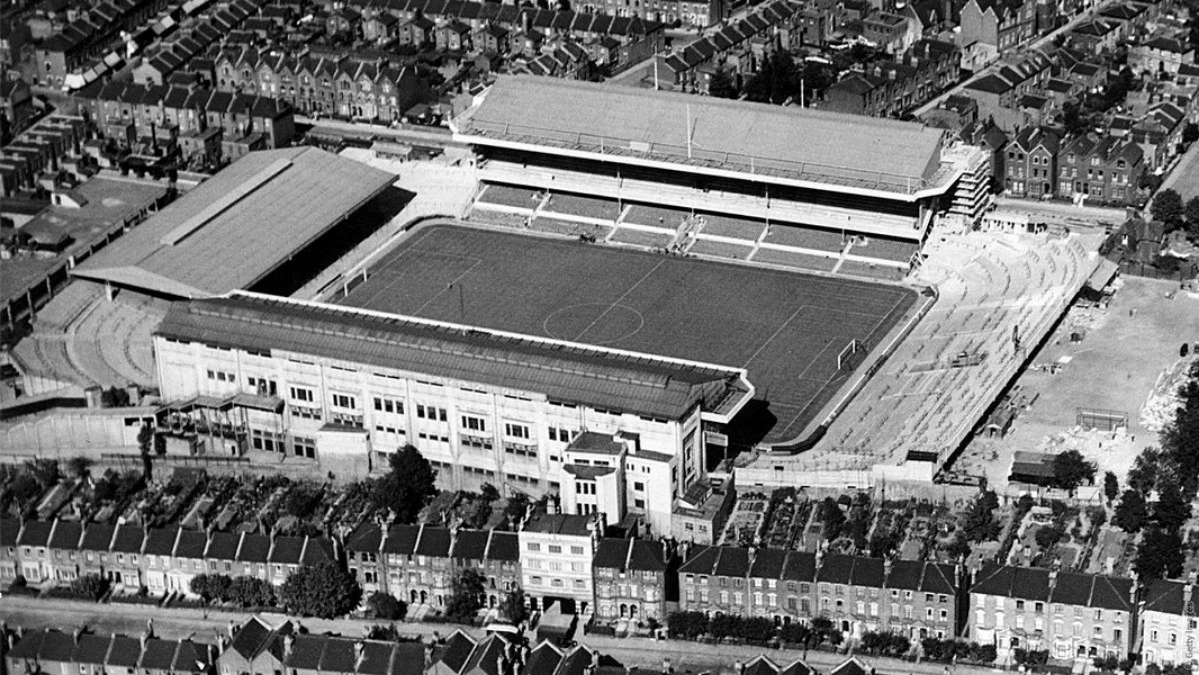
The move to Highbury Stadium in 1913 was a turning point for Arsenal. This shift from South London to North London placed the club in a wealthier area, laying the groundwork for future expansion and achievement.
The Impact of Herbert Chapman
Herbert Chapman’s appointment as manager in 1925 brought about a significant change for Arsenal, both in terms of gameplay and overall operations. His strategic brilliance introduced the revolutionary WM formation, which served as the foundation for contemporary football tactics.
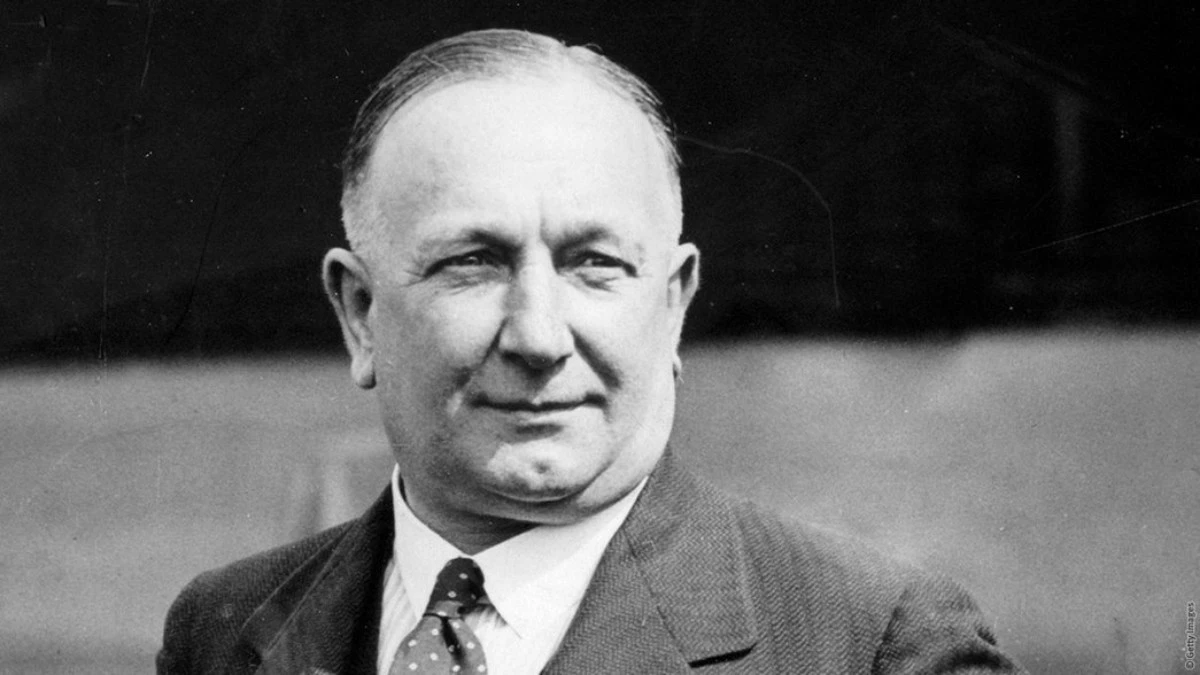
However, Chapman’s contributions went beyond just game strategy – he also introduced innovative practices such as using shirt numbers to identify players and implementing floodlights at Highbury, making Arsenal one of the most forward-thinking clubs in England.
Arsenal’s Dominance in the 1930s
The 1930s marked Arsenal’s initial golden period, heavily influenced by Chapman’s vision and his successors. During this time, the club consistently excelled in English football:
- Five league titles (1930-31, 1932-33, 1933-34, 1934-35, 1937-38)
- Two FA Cups (1930, 1936)
This unparalleled achievement solidified Arsenal’s position as a dominant force in English football. Chapman’s efforts to modernize the club, encompassing tactical advancements and stadium enhancements, established a framework that would shape Arsenal’s identity for many years ahead.
3. Post-War Era and Mid-Century Challenges
World War II had a devastating impact on Arsenal’s operations and infrastructure. The club lost several promising players, including talented goalkeeper Herbie Roberts, who died while serving in the military.
Highbury Stadium suffered significant bomb damage, which forced Arsenal to share White Hart Lane with their rivals Tottenham Hotspur for home matches. This was a difficult situation for the club and tested their ability to bounce back.
Financial Struggles
As stadium repairs required a large amount of money, financial pressures increased. It’s easy to understand the strain on resources when ticket sales plummeted due to reduced seating capacity and restrictions on attendance during wartime.
Recovery Under Tom Whittaker
Tom Whittaker’s appointment as manager in 1947 marked a turning point for Arsenal. His strategic thinking and ability to inspire players turned a struggling team into serious contenders for the championship.
The 1947–48 season saw Arsenal clinch their first league title after the war, with the team displaying an exciting style of play and solid defense.
Whittaker’s approach focused on physical fitness and technical skill. His squad included talented players like Joe Mercer and Reg Lewis, who played key roles in Arsenal’s success.
The 1952–53 season brought another league victory, solidifying Whittaker’s reputation as one of Arsenal’s most successful managers during this difficult period.
4. Late 20th Century Resurgence
The decades following Arsenal’s mid-century successes brought inconsistent performances and trophy droughts that tested the patience of supporters. The club struggled through the 1960s and 1970s, managing only sporadic cup victories while failing to reclaim league dominance.
George Graham‘s appointment in 1986 marked the beginning of a transformative period. The Scottish manager implemented a disciplined defensive system that became the foundation of Arsenal’s return to prominence. His tactical approach emphasized organization, work rate, and mental toughness – qualities that would define the George Graham era.
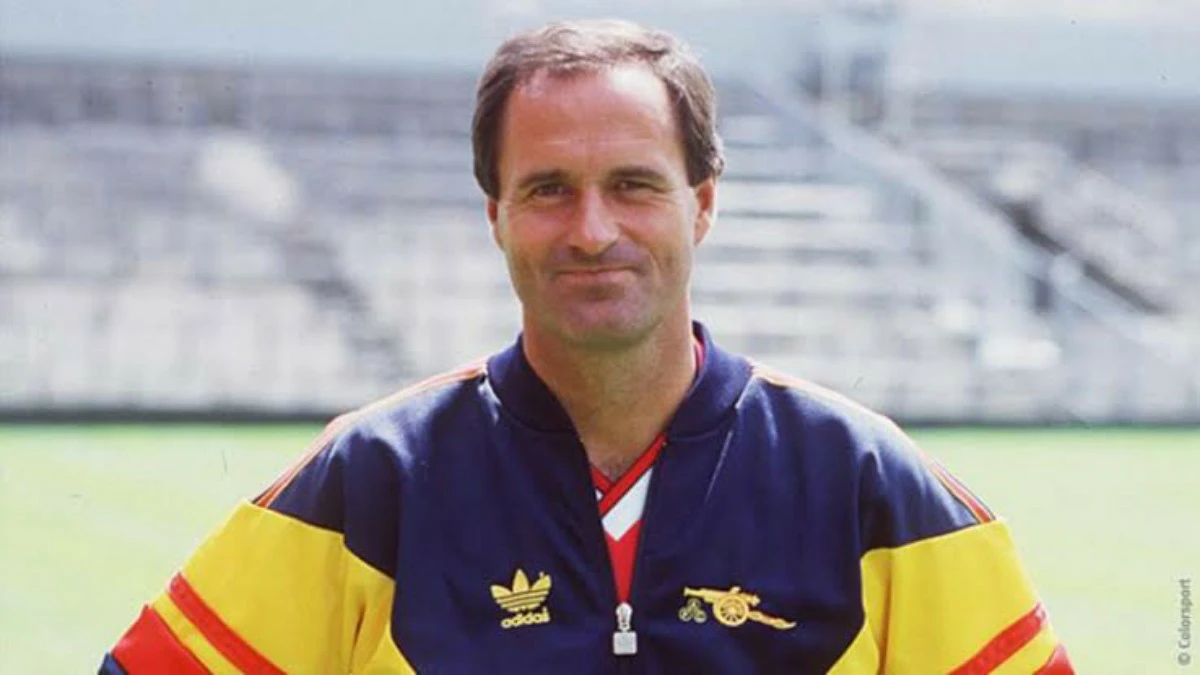
The resurgence materialized with back-to-back league titles in 1988-89 and 1990-91, ending an 18-year wait for championship glory. Graham’s influence was evident in every match as Arsenal developed an uncompromising style that frustrated opponents across England.
The pinnacle came in 1993 with an unprecedented FA Cup/League Cup double, showcasing the team’s versatility across different competitions. European recognition followed in 1994 when Arsenal claimed the European Cup Winners’ Cup, defeating Parma 1-0 in Copenhagen. This victory represented the club’s first major European trophy in over two decades, establishing new Arsenal records and cementing Graham’s legacy as one of the club’s most successful managers.
5. The Arsène Wenger Era (1996–2018) – A Golden Age
Arsène Wenger’s arrival in September 1996 transformed Arsenal into a modern footballing powerhouse. The French manager changed the way the team trained, bringing in scientific methods for fitness, nutrition, and tactical preparation that were ahead of their time in English football.
Wenger’s achievements reached their peak with three Premier League titles, including the legendary Invincibles season of 2003-04. During this unbeaten season, Arsenal went through an entire 38-game season without losing a single match, setting a record of 49 consecutive matches unbeaten in the top flight. The team had iconic players like Thierry Henry, Patrick Vieira, and Dennis Bergkamp, playing an attractive and flowing style of football.
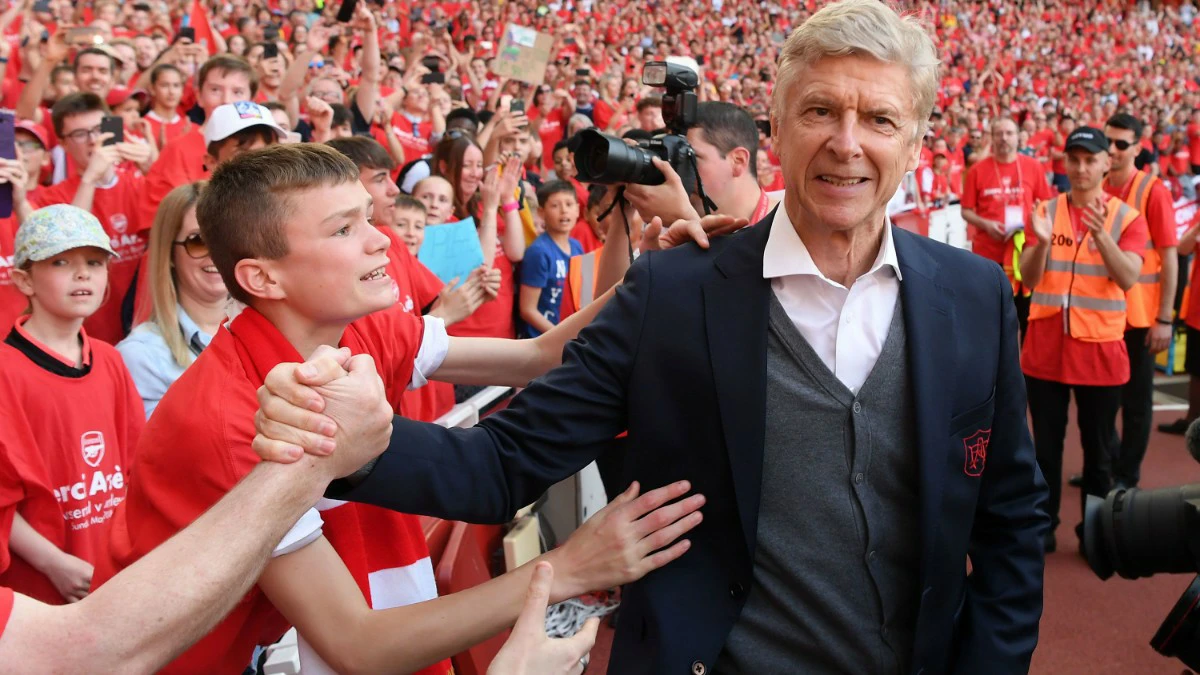
Wenger’s time as manager brought in a record seven FA Cups, showing consistent success in various competitions. The move to Emirates Stadium in 2006 was a significant moment, as the team transitioned from the beloved Highbury to a modern stadium with a capacity of 60,000. This move allowed for commercial growth while still keeping Arsenal among Europe’s top clubs.
During this era, Arsenal became known for nurturing young talent and playing beautiful football, solidifying Wenger’s legacy as one of the most influential managers in Premier League history.
6. Recent Years and Current Management
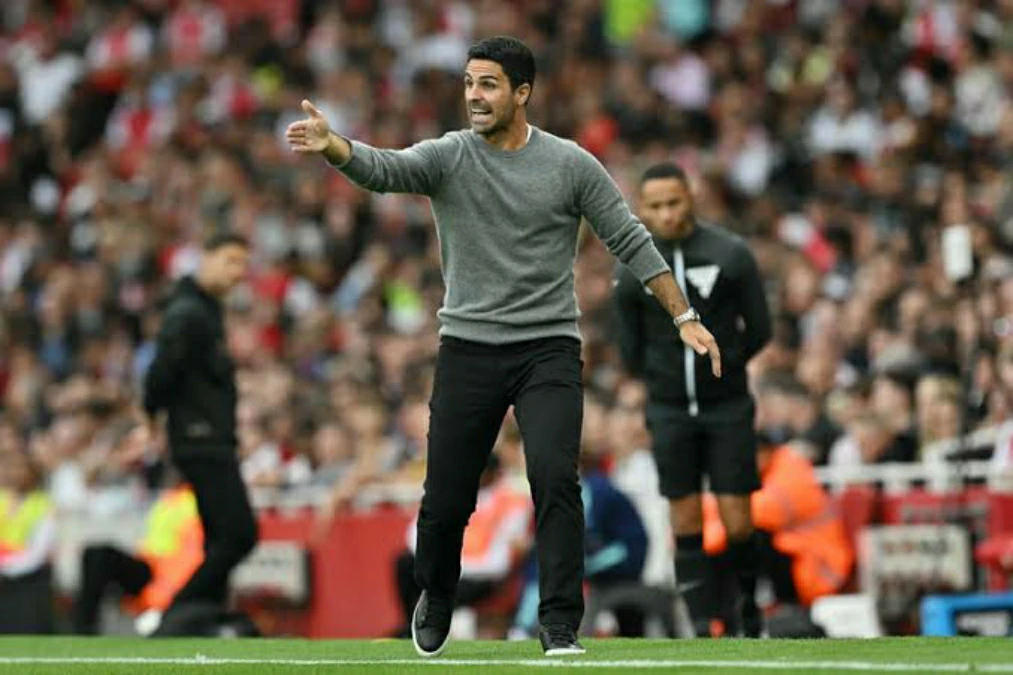
The departure of Arsène Wenger marked the beginning of a new chapter in Arsenal football club history, stats, records and achievements. The Unai Emery period began in May 2018, bringing tactical changes and European experience to North London. Emery guided Arsenal to the Europa League final in 2019 and secured fifth-place Premier League finishes, yet inconsistent results led to his dismissal in November 2019.
The Mikel Arteta era commenced in December 2019 when the former Arsenal captain returned as head coach. His immediate impact became evident through tactical discipline and renewed team spirit. Arteta’s first major triumph delivered Arsenal’s 14th FA Cup in the 2019-20 season, defeating Chelsea 2-1 at Wembley Stadium.
Recent Arsenal achievements under Arteta’s guidance include:
- 2022-23: Second-place Premier League finish
- 2023-24: Champions League qualification return
The club’s commitment to youth development has flourished, with Ethan Nwaneri becoming the youngest Premier League player at 15 years and 181 days. Arsenal’s recent strong Premier League finishes demonstrate renewed competitiveness among England’s elite clubs.
A Comprehensive Overview of Arsenal FC’s Legacy
Trophy Cabinet and Major Honors
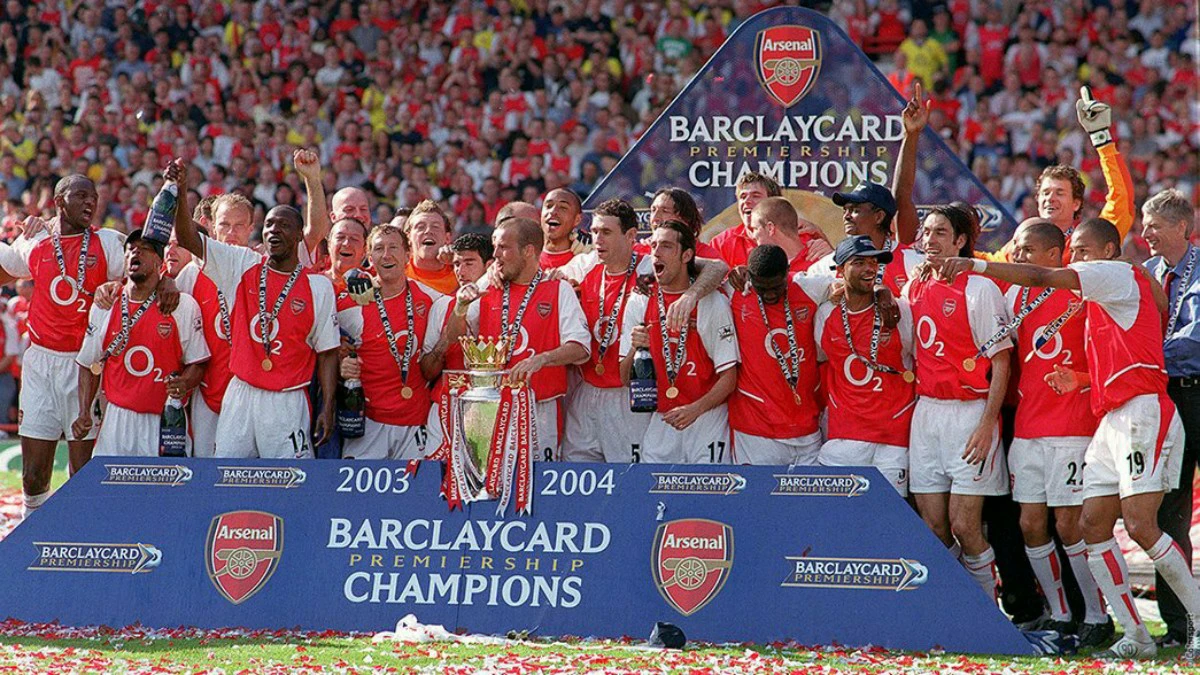
Arsenal’s trophy cabinet stands as testament to their enduring excellence in English football. The club’s 13 English top-flight titles place them among the most successful teams in the country’s history, while their record-breaking 14 FA Cups represent an unmatched achievement in the competition’s storied past. You’ll find their domestic success extends beyond these marquee trophies:
- 2 League Cups (1987, 1993)
- 14 FA Cups
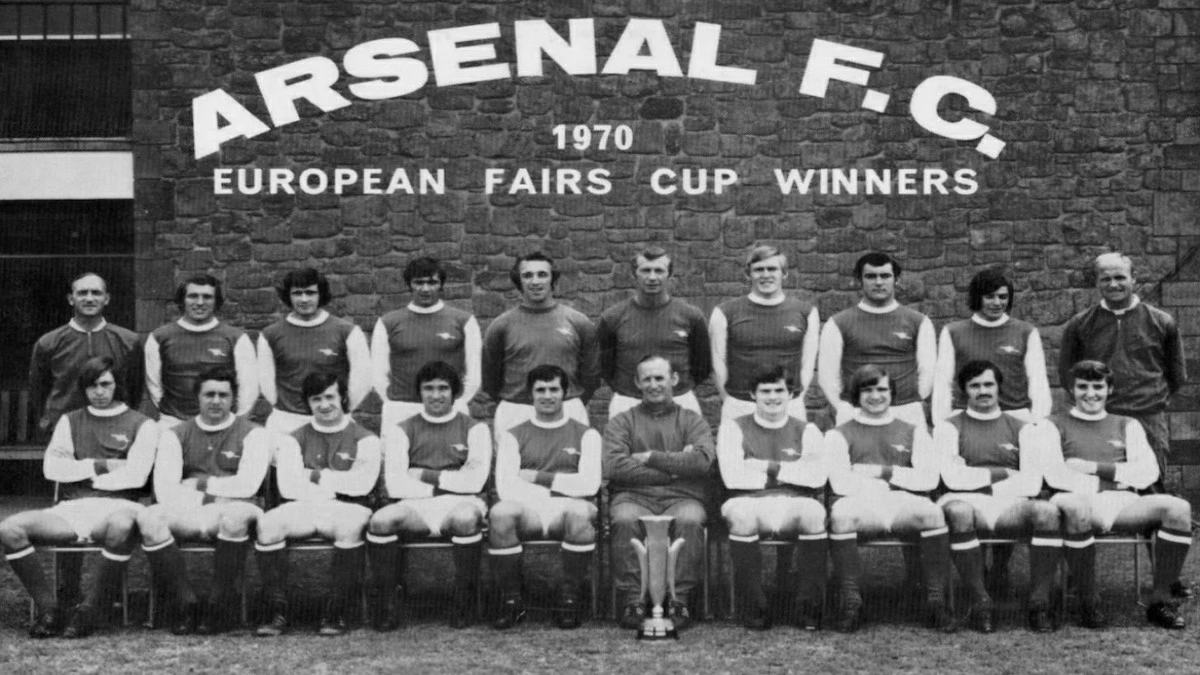
- 1 Inter-Cities Fairs Cup (1970)
- 1 UEFA Cup Winners’ Cup (1994)
The club’s European pedigree includes their historic Champions League final appearance in 2006, making them the first London club to reach this pinnacle of continental football.
Record-Breaking Statistics and Individual Achievements
Thierry Henry’s goalscorer record of 228 goals remains the gold standard for Arsenal strikers. The French maestro’s tally represents years of consistent brilliance that defined the club’s attacking philosophy. David O’Leary holds the appearance record with 722 matches, demonstrating the loyalty and longevity that characterized Arsenal’s playing culture.
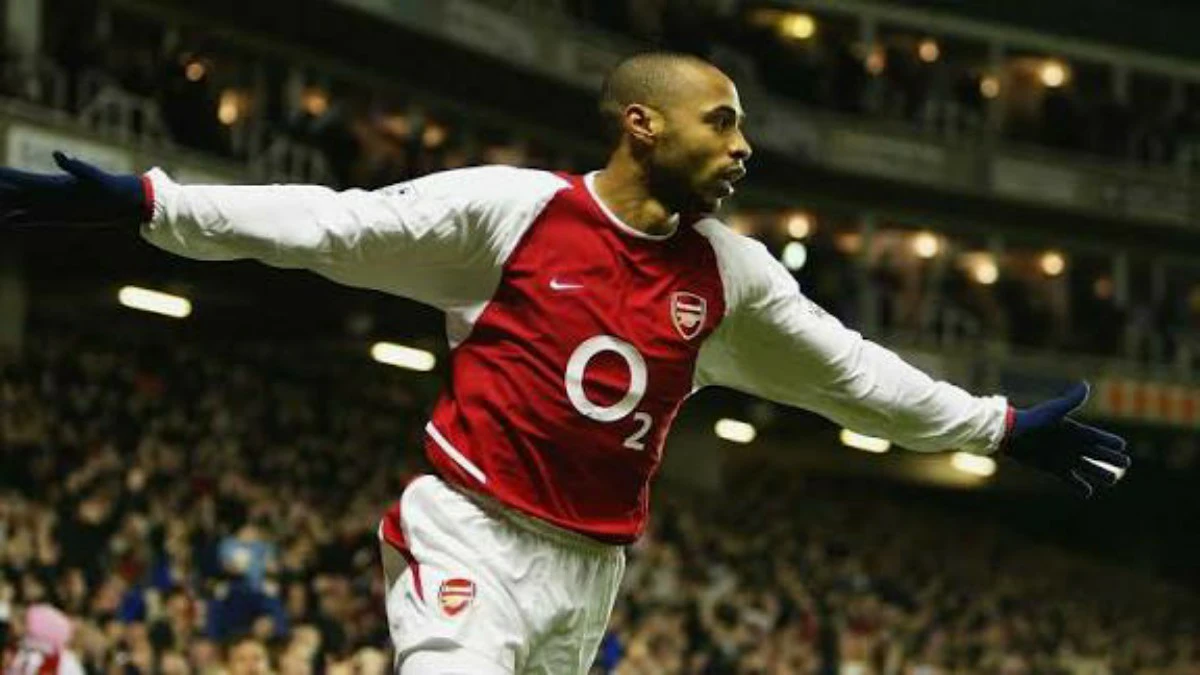
Ted Drake’s single-season record of 44 goals in 1934-35 showcases the club’s attacking heritage, while the longest unbeaten run of 49 matches during the “Invincibles” season remains one of football’s most celebrated achievements. At the other end of the spectrum, Ethan Nwaneri became the youngest first-team player at just 15 years and 181 days, highlighting Arsenal’s commitment to youth development.
Transfer records tell their own story: Declan Rice’s £100 million arrival represents their highest fee paid, while the £35 million received for players like Alex Oxlade-Chamberlain demonstrates their ability to develop and sell talent.
Stadium Legacy: From Highbury to Emirates
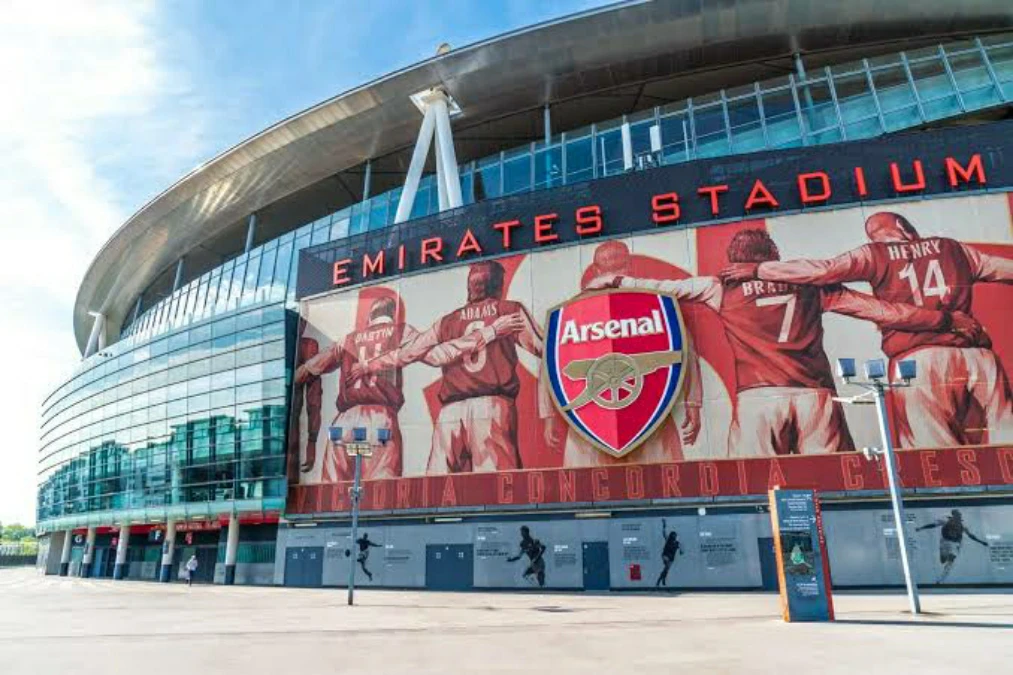
Arsenal has a rich history when it comes to stadiums. They played at Highbury for an impressive 93 years, from 1913 until they moved to Emirates Stadium.
Conclusion
Arsenal’s rich history, impressive stats, records, and achievements place the club among the top teams in English football. With Mikel Arteta in charge, the future of Arsenal FC looks promising as they focus on developing young players and being competitive. Recent Premier League seasons show a renewed determination, and the inclusion of talented players like Ethan Nwaneri demonstrates the club’s commitment to nurturing future stars.
The summary of the club’s legacy shows an organization that has consistently adapted to changes in football while staying true to its identity. From Herbert Chapman’s tactical innovations to Wenger’s modernization, Arsenal has always found ways to reinvent itself. This ability to adapt, along with the club’s financial stability and global fanbase, guarantees that Arsenal will continue to compete at the highest level. The Gunners’ quest for their first Premier League title since 2004 reflects both their historical ambition and current potential.
FAQs (Frequently Asked Questions)
What is the origin and early history of Arsenal Football Club?
Arsenal Football Club was founded in 1886 as Dial Square by munitions workers. It underwent name changes to Royal Arsenal and then Woolwich Arsenal before joining the Football League in 1893 as the first southern member.
How did Herbert Chapman influence Arsenal’s development in the early 20th century?
Herbert Chapman revolutionized Arsenal with tactical innovations such as the WM formation, introduced shirt numbers and floodlights, and led the club to significant successes including five league titles and two FA Cups during the 1930s.
What were the major achievements of Arsenal during the Arsène Wenger era?
Under Arsène Wenger from 1996 to 2018, Arsenal modernized tactically and commercially, won three Premier League titles including the unbeaten ‘Invincibles’ season in 2003–04, secured a record seven FA Cups, and transitioned from Highbury to the Emirates Stadium in 2006.
Can you summarize Arsenal’s major honors and club records?
Arsenal has won 13 English top-flight league titles, a record 14 FA Cups, multiple League Cups and Community Shields, European trophies including the Inter-Cities Fairs Cup (1970) and UEFA Cup Winners’ Cup (1994), with Thierry Henry as all-time leading goalscorer (228 goals) and holding the longest unbeaten top-flight run at 49 matches.
What is the history and significance of Arsenal’s stadiums?
Arsenal played at Highbury Stadium from 1913 to 2006, which had a peak attendance of over 73,000. The club moved to Emirates Stadium in 2006 with a capacity around 60,000 featuring modern facilities to accommodate growth and commercial ambitions.
What is Arsenal’s current focus under manager Mikel Arteta?
Since Mikel Arteta’s appointment in December 2019, Arsenal has focused on youth development alongside competitive ambitions. The club recently won its 14th FA Cup (2019–20) and aims to maintain its status among elite English football clubs through strong Premier League performances.